Insights on Social Media, Music, and Cybersecurity
2026-02-01
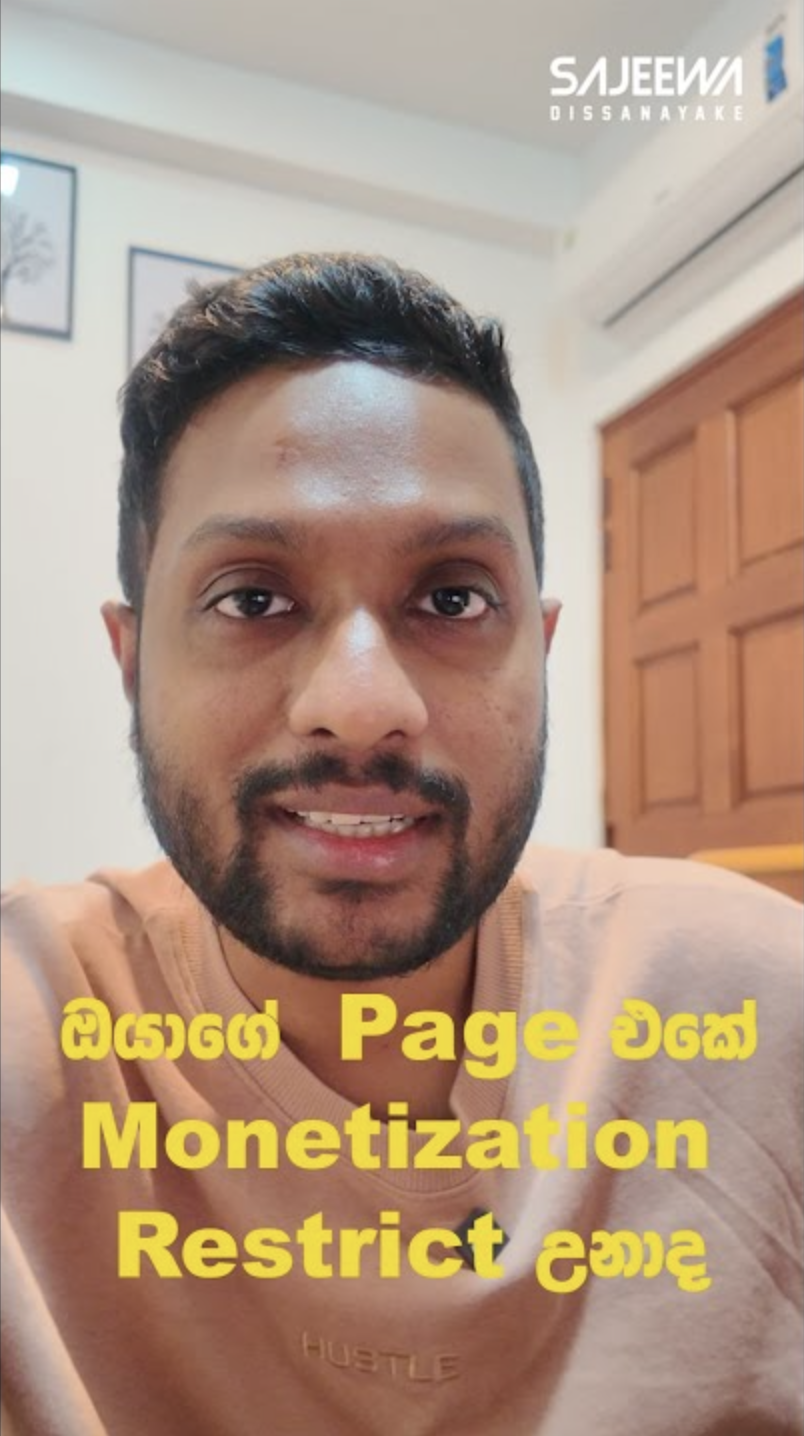
Over the past few weeks, a growing number of Facebook page owners and profile creators in Sri Lanka have started receiving an alarming notification stating that their monetization access has been limited. For many creators who rely on Facebook monetization as a steady source of income, this message has caused confusion, frustration, and fear. Discussions around this issue have quickly spread across creator groups and forums, with different theories emerging about challenges, content strategies, and recent activity being the cause.Despite the panic, the reality behind this notification is far less dramatic than many believe, and understanding the context is critical before jumping to conclusions.What the Monetization Limitation Notification Actually MeansThe message usually appears directly on a Facebook page or professional profile and reads along the lines of “We have limited your page access to monetization tools” or “Your page lost access to some monetization tools because your content was flagged by our technology.” In many cases, the notification also includes a line stating that monetization has been limited due to a local legal requirement or government request.This message is not unique to Sri Lanka and has existed globally for some time. What makes it concerning locally is the sudden increase in visibility and the lack of clear, public communication from Facebook about how it applies specifically to Sri Lankan creators. The absence of an official explanation has left room for speculation, which has amplified anxiety within the creator community.The Beta Nature of Facebook Monetization in Sri LankaFacebook monetization tools have technically been available in Sri Lanka for over a year, primarily under a beta program. Many pages have been earning revenue through eligible monetization features during this period. However, support for Sri Lanka has never been fully stable or comprehensive.Certain features, particularly live video ad breaks and some in-stream ad formats, have never been consistently supported in the country. Similar situations have occurred in the past with other Meta platforms, where features were temporarily enabled in Sri Lanka and later withdrawn without much notice. This history has made creators understandably cautious about the long-term future of monetization in the region.Because the monetization system is still in beta, access can change depending on regional policies, compliance requirements, and platform decisions.What Facebook Partner Support Says About the IssueTo gain clarity, the issue was raised directly with Facebook Partner Support, which is considered the most reliable official channel for monetization-related concerns. According to partner support, there is currently no confirmed problem that affects ongoing monetization earnings for eligible pages in Sri Lanka.The notification does not automatically mean that a page has lost all monetization access or that revenue will stop. Instead, it is described as a general compliance-related message linked to local legal or regulatory requirements. While individual support agents may provide slightly different explanations, partner support has confirmed that creators should not panic or assume an immediate loss of income.Which Monetization Tools Are Actually AffectedThe monetization tools mentioned in these notifications usually include brand content tools, ad breaks in videos, and live video ads. At present, Sri Lanka is not officially supported for several of these formats, particularly live video ads and certain in-stream ad placements.When a page attempts to access or is associated with features that are restricted in the region, Facebook’s systems may display this monetization limitation message. This does not necessarily mean that all monetization has been disabled. Pages that already meet eligibility criteria and use supported tools may continue earning without interruption.What This Means for the Future of Monetization in Sri LankaThe bigger concern among creators is not the notification itself, but the uncertainty surrounding the future. Since the monetization program in Sri Lanka remains in beta, there is always a possibility that Meta could reduce or withdraw support entirely at some point. However, there is currently no official announcement confirming such a decision.For now, monetization continues for many eligible pages, and revenue has not been universally affected. The situation should be viewed as a warning about regional limitations rather than a signal that monetization has ended in Sri Lanka.Advice for Sri Lankan CreatorsCreators who receive this notification should avoid panic-driven decisions such as drastically changing content strategies or abandoning their pages. There is no evidence to suggest that this message is related to recent challenges, trends, or normal content activity. Instead, it appears to be a compliance-related notice tied to how monetization features are rolled out and restricted at a regional level.The best approach is to continue producing quality content, regularly check monetization eligibility in Creator Studio, and rely on verified information from official Facebook support channels. Avoid spreading unconfirmed theories, as misinformation can cause unnecessary fear and poor decisions.ConclusionThe “monetization access limited” notification has understandably shaken the Sri Lankan creator community, but it does not automatically signal a ban or permanent loss of income. It reflects the unstable and evolving nature of Facebook’s monetization beta program in the country and the impact of local legal or policy requirements.At present, creators who are already monetizing and remain eligible can continue earning from supported tools. While the future remains uncertain, there is no immediate indication that Facebook has shut down monetization in Sri Lanka. Staying informed, calm, and focused on sustainable content creation is the most sensible response as the situation continues to evolve.
2025-12-30
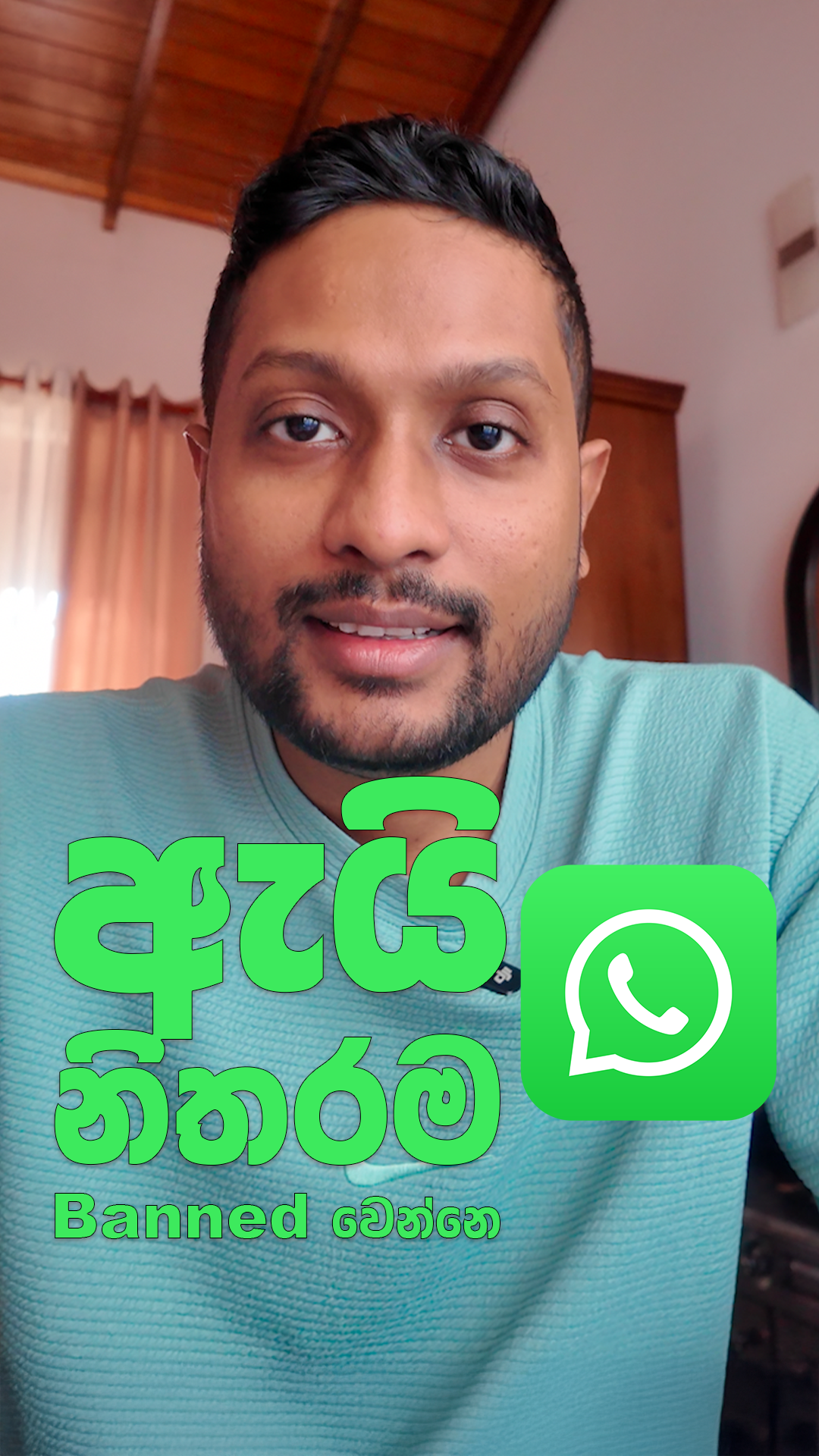
Why WhatsApp Business Accounts Get Banned in Sri Lanka and How Businesses Can Avoid ItWhatsApp has become one of the most powerful sales and communication tools for businesses in Sri Lanka. From tuition classes and online courses to e-commerce, real estate, and service providers, thousands of businesses rely on WhatsApp Business to handle leads coming from Facebook and Instagram ads. However, a growing number of business owners are facing sudden WhatsApp Business account bans, often without a clear explanation. These bans are rarely random. In most cases, they are the direct result of messaging behavior that WhatsApp’s systems interpret as spam.Understanding why these bans happen and how to prevent them is essential for any business that wants to use WhatsApp safely and sustainably.The Real Reason WhatsApp Business Accounts Get BannedMost banned accounts follow a very similar pattern. Businesses run ads and receive a large number of leads through WhatsApp. Sales teams are trained to reply instantly because commissions or performance targets are tied to lead response time. As a result, the same copy-pasted message is sent repeatedly to many leads, sometimes to hundreds of people in a single day. Many of these recipients have not saved the business number, and several messages are sent without waiting for a reply.From a business perspective, this may seem efficient. From WhatsApp’s perspective, it looks exactly like spam. WhatsApp’s systems are designed to protect users from unwanted messages, especially messages coming from unknown numbers. When multiple people receive identical messages, ignore them, block the sender, or report the chat, the account is flagged as unusual. Once enough negative signals are collected, the WhatsApp Business number is restricted or permanently banned.This issue is especially common in Sri Lanka because many businesses rely heavily on WhatsApp as their primary sales channel and often lack structured CRM systems or proper messaging workflows.Group Messaging and Forced Adds: A Major RiskAnother major cause of bans is adding customers directly to WhatsApp groups without their consent. This practice is very common in the education and tuition sector, where leads are added to class groups immediately after an inquiry. WhatsApp treats this as an unwanted action because the user did not choose to join the group and may not even recognize the number that added them.When users leave these groups, mute them, or report them as spam, WhatsApp records these actions as negative feedback. Over time, this dramatically increases the risk of the business number being banned.A much safer approach is to send a group invitation link and allow customers to join voluntarily. When a user clicks a link and joins by choice, WhatsApp does not consider this spammy behavior.Why Unofficial WhatsApp Tools Make Things WorseTo handle large volumes of messages, many businesses use unofficial WhatsApp tools, modified apps, or third-party software that allows multiple agents to log in from different devices. While these tools may seem convenient, they violate WhatsApp’s terms of service. Accounts using such tools are closely monitored and are far more likely to be banned, sometimes without warning.Even businesses with Meta-verified WhatsApp Business accounts, indicated by the blue checkmark, are not immune. Verification improves credibility and slightly reduces risk, but it does not protect an account that continues to send spam-like messages or uses unauthorized software.Understanding WhatsApp Business APIFor businesses that need to scale messaging safely, the WhatsApp Business API is the most reliable solution. Unlike the standard WhatsApp Business app, the API is not a simple mobile application. It is an official system provided by Meta that connects WhatsApp to external CRM platforms and automation tools.The standard WhatsApp Business app can be compared to a basic tool suitable for small operations, while the API is designed for medium to large businesses that need automation, integrations, and compliance at scale. When used correctly, the API dramatically reduces the risk of account bans.How Messaging Works on WhatsApp Business APIWhatsApp Business API messaging is structured around two main categories. When a customer sends the first message, the business can reply freely within a 24-hour window at no additional cost. This encourages natural, conversational interactions. When a business wants to message a customer first, it must use a pre-approved template message. These templates are reviewed by WhatsApp and are chargeable.In Sri Lanka, promotional template messages typically cost between 25 and 40 LKR per message, while transactional messages such as order updates or alerts cost around 4 to 5 LKR. Although these costs may seem high, they are a trade-off for stability, compliance, and long-term protection of the business number.Why the API Is the Safest OptionThe WhatsApp Business API is officially integrated with WhatsApp’s systems and supported by approved solution providers. Because templates are reviewed and automation is controlled, spam-like behavior is minimized. Businesses using the API correctly experience an extremely low ban rate compared to those using the standard app or unofficial tools.Another important detail is that businesses usually cannot migrate an existing WhatsApp Business number directly into the API. In most cases, a new number is created and connected to a CRM platform. This allows businesses to start fresh with compliant messaging practices.The Role of CRM AutomationCRM platforms connected to WhatsApp Business API allow businesses to automate responses, manage workflows, and handle customer conversations efficiently without spamming. Automated replies can be triggered when a customer asks for prices or information, follow-ups can be structured logically, and conversations can be routed to the right team members. This reduces the need for aggressive manual messaging and significantly improves customer experience.Automation also helps businesses reduce staffing costs while maintaining consistent and policy-compliant communication.Facebook Ads and WhatsApp Account SafetyBusinesses running Facebook or Instagram ads should ensure that their WhatsApp Business number is properly linked inside the Facebook Business Portfolio. This linkage signals to Meta that the number is being used legitimately for business purposes. Using personal WhatsApp numbers for ads or keeping business numbers unlinked increases the likelihood of spam flags and account restrictions.ConclusionWhatsApp Business account bans are not accidental. They are almost always the result of repeated mass messaging, lack of user consent, or misuse of tools that violate WhatsApp policies. Businesses that rely on WhatsApp must move away from copy-paste blasting and forced group additions and instead focus on genuine, conversational messaging.For businesses that want to scale without fear of bans, the WhatsApp Business API combined with a proper CRM system is the most secure long-term solution. While it involves setup and ongoing costs, it protects one of the most valuable assets a business has today: direct access to its customers through WhatsApp.Used responsibly, WhatsApp remains one of the most powerful platforms for growth in Sri Lanka. Used incorrectly, it becomes a constant risk. The choice depends entirely on how businesses communicate.
2025-12-29
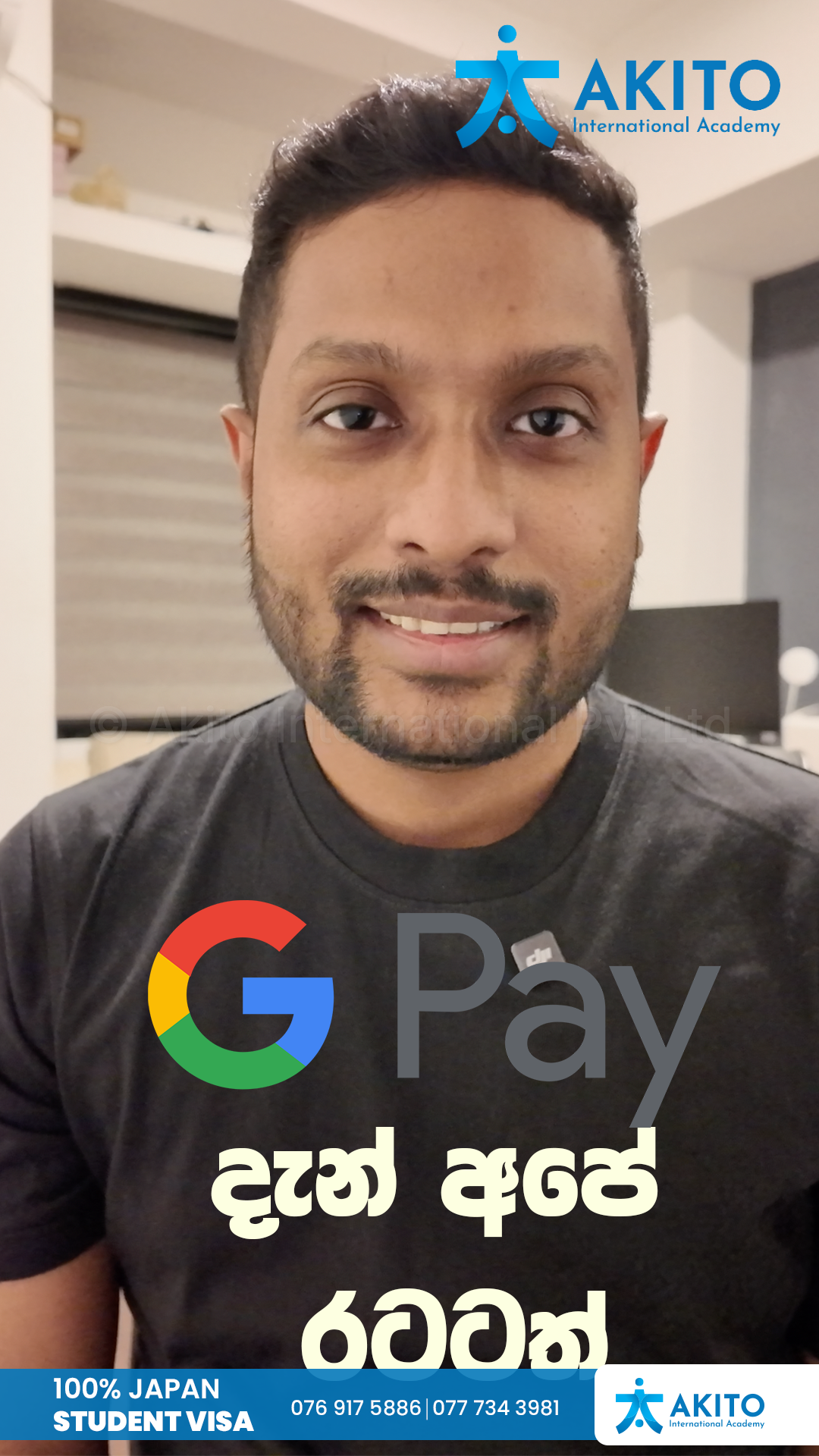
Google Pay Officially Launches in Sri Lanka: What It Is, How It Works, and What You Need to KnowFor the first time, Sri Lankan users can officially experience a global digital wallet platform through the launch of Google Pay. Until now, Sri Lanka did not have formal support for either Google Pay or Apple Pay, forcing users to rely on foreign bank cards or workaround solutions. This launch marks a significant milestone in the country’s digital payments journey and signals a shift toward modern, cashless transactions.This development is especially important for Android users, as Google Pay allows people to store their bank cards digitally on their phones and make secure payments without carrying physical cards.What Google Pay Is and How It WorksGoogle Pay is a digital payment platform that allows users to save debit and credit cards inside a mobile wallet and use their phones to make payments. Instead of swiping or inserting a physical card, users can simply tap their phone on a payment terminal to complete a transaction. In addition to in-store payments, Google Pay also supports online payments and, in some regions, person-to-person money transfers and budgeting features.Originally launched in 2014 as Google Wallet, the service was later rebranded as Google Pay and has since become one of the most widely used digital wallets globally. It serves the same core purpose as Apple Pay, with the key difference being platform support. Google Pay works on Android devices and the web, while Apple Pay is limited to Apple’s ecosystem.Google Pay vs Apple Pay in Simple TermsAt a functional level, Google Pay and Apple Pay do the same thing. Both store digital versions of your cards, both use NFC technology for tap-to-pay transactions, and both require device authentication before a payment is approved. The difference lies mainly in how security is implemented and which devices support each platform.Google Pay stores payment tokens using Android’s secure software-based storage, while Apple Pay stores them inside a dedicated hardware secure element built into Apple devices. Because of this hardware-based security, Apple Pay is generally considered more secure at a global level. However, both platforms are highly secure and rely on modern encryption and authentication standards.The Role of Tokenization in Payment SecurityOne of the most important concepts behind Google Pay is tokenization. When a card is added to Google Pay, the actual card number, CVV, and expiry date are never shared with merchants during transactions. Instead, these details are converted into a unique digital token. This token is what gets transmitted during a payment, meaning the real card information is never exposed.If someone were to intercept a transaction, the token would be useless outside that specific payment context. This dramatically reduces the risk of card fraud and makes digital wallet payments safer than traditional card swipes.Google Pay Availability in Sri LankaThe most important update for Sri Lankan users is that Google Pay is now officially supported by local banks. At launch, Commercial Bank of Sri Lanka has become the first bank in the country to support Google Pay. Currently, only Visa cards issued by Commercial Bank can be added to the wallet.Mastercard support is not yet available, and not all debit cards are supported at this stage. This limited rollout is expected, and support for additional card networks and banks is likely to expand over time.Users can download the Google Pay app from the Play Store, add a supported card, and start making contactless payments at compatible terminals across Sri Lanka.Real-World Usage and Device RequirementsTo use Google Pay, an Android phone must support NFC functionality. Without NFC, tap-to-pay transactions will not work. Most modern Android devices include NFC, but some budget or older models may not. During testing, even older flagship devices such as the Samsung Galaxy S9 were able to add cards successfully and complete payments without issues.Once a card is added, payments are quick and seamless. The phone simply needs to be unlocked using a PIN, fingerprint, or face authentication, and the user can tap it on the payment terminal to complete the transaction.Why Digital Wallets Are Safer Than Physical CardsOne of the biggest advantages of Google Pay is security. If a physical debit or credit card is lost, it can potentially be used fraudulently until it is blocked. With Google Pay, even if the phone is lost or stolen, payments cannot be made without unlocking the device.Because card details are stored as tokens and protected by device authentication, unauthorized access is extremely difficult. Users can also remotely lock or wipe their phones, instantly disabling access to the wallet.This makes digital wallets not only more convenient, but often safer than carrying physical cards.What This Means for Sri Lanka’s Cashless FutureThe official launch of Google Pay is a major step toward a cashless society in Sri Lanka. For years, digital payments lagged behind global standards due to limited bank support and infrastructure. With local banks now enabling digital wallets, consumers and merchants alike can benefit from faster, safer, and more convenient payment methods.As more banks and card networks join the platform, Google Pay is expected to become a mainstream payment option across the country. This shift aligns Sri Lanka with global payment trends and reduces reliance on cash and paper currency.ConclusionThe arrival of Google Pay in Sri Lanka represents more than just a new app. It signals a transformation in how payments are made, secured, and experienced. With official bank support beginning through Commercial Bank Visa cards, users can finally access a globally trusted digital wallet using their local cards.While support is currently limited, expansion is expected. For Android users, Google Pay offers a secure, convenient, and modern alternative to physical cards and brings Sri Lanka one step closer to a fully cashless payment ecosystem.